16 January, 2026
Why progress tracking matters more than you think
Clinical care thrives on feedback. Whether it’s from a strength test, a pain rating, or a simple conversation, feedback helps clinicians know what’s working and where to adjust.
But outside the clinic, that feedback loop often breaks. Patients may forget details between sessions. Progress might stall without anyone noticing. And you’re left working with assumptions instead of data.
That’s why continuous tracking is built into the Joint Academy experience. Not as an extra task, but as a natural part of how patients engage with their treatment.
Three ways better tracking leads to better care:
- You see what they feel
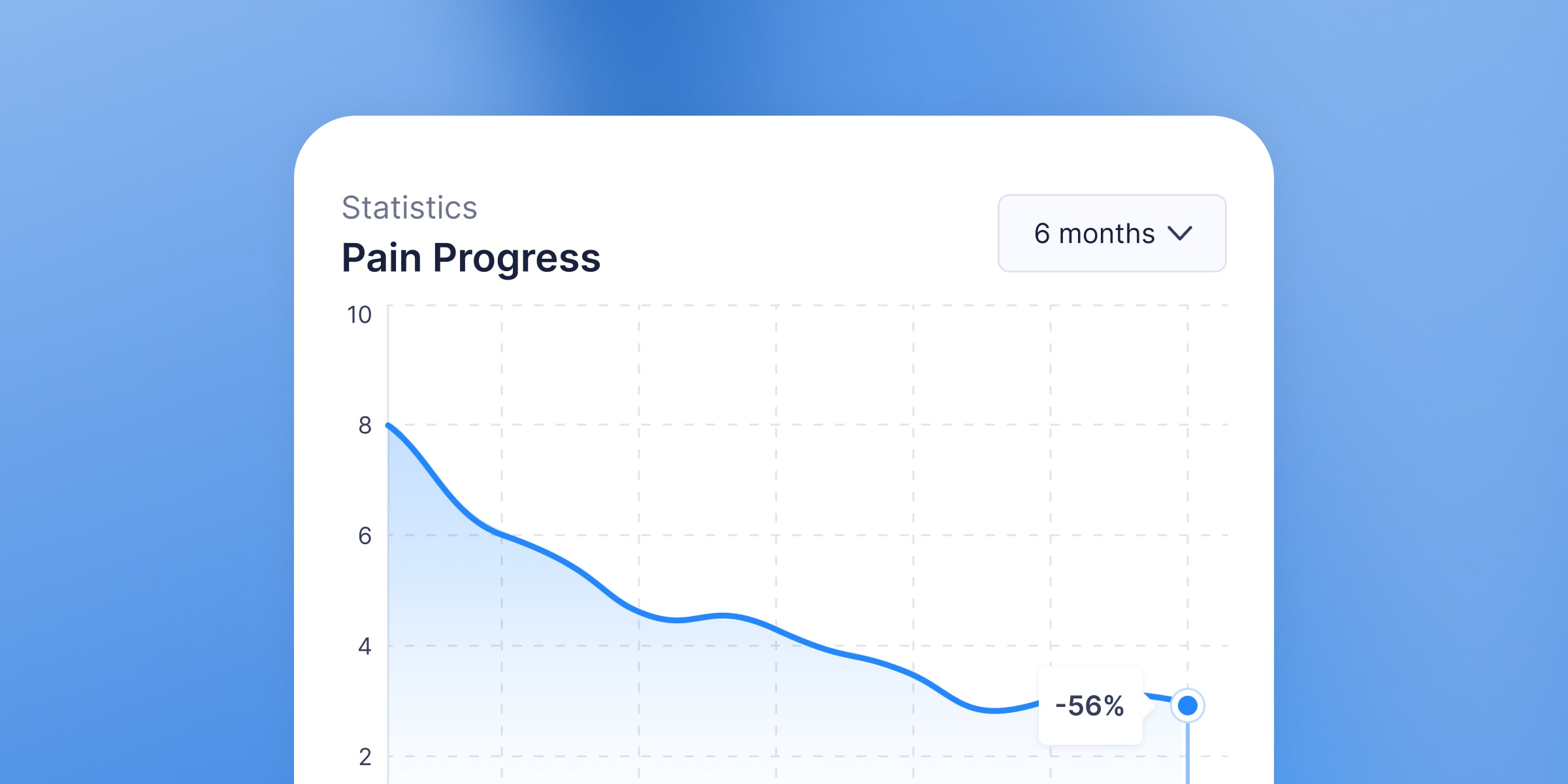
Patients log pain, mobility, and exercise completion directly in the app. You get a clear timeline of how they’re responding to treatment, not just a snapshot at their next visit. - You can intervene earlier
If a patient stops engaging, or their pain worsens, you’ll know. That makes it easier to reach out at the right moment, not weeks later when they’ve disengaged entirely. - You build trust
When patients see their own progress, it reinforces that what they’re doing is working. That creates momentum, motivation, and stronger outcomes.
Smarter care without more admin
Progress tracking should feel like a benefit, not a burden. With Joint Academy, patients log what matters most and the platform does the rest. You get actionable data in your workflow, without the need to dig for it.
And most importantly, your patients stay on course, with you guiding the way.