20 December, 2025
What better patient adherence really looks like
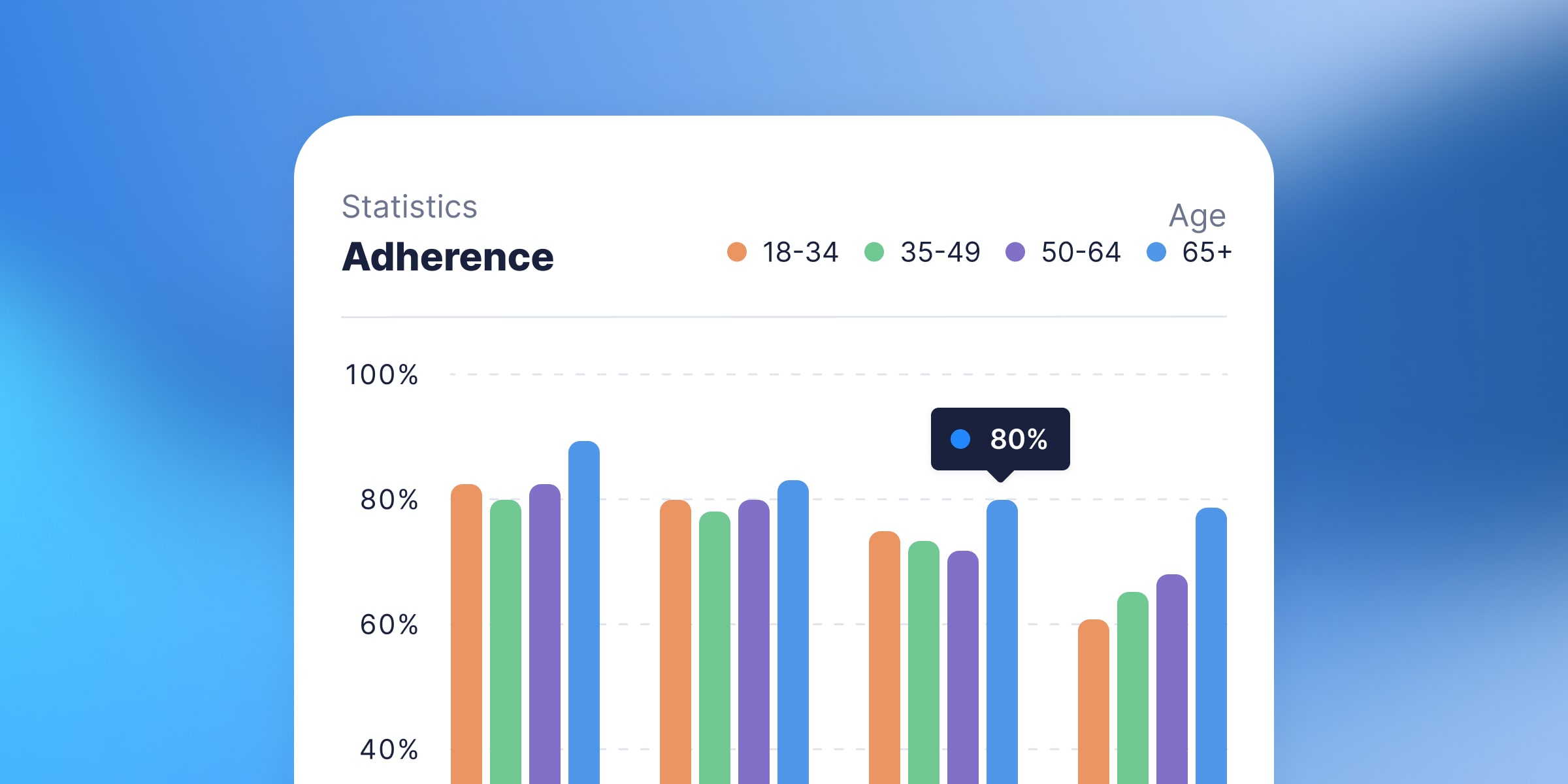
Adherence is one of those metrics that’s easy to talk about and hard to track. Most of the time, clinicians are left guessing: Did the patient actually do their exercises? Did they understand the plan? Are they improving, or just nodding at check-ins?
At Joint Academy, we wanted to change that. Not just by offering reminders or flashy dashboards, but by rethinking how digital treatment can actually support follow-through in real life.
Here’s what we’ve found helps drive adherence:
- Daily structure with flexibility
Patients get a clear, consistent program to follow. Each day includes a short set of exercises and a bite-sized lesson, easy to complete, and easy to stick with. - In-app guidance and reminders
Nudges and smart prompts help patients stay on track, without nagging. The app adapts based on progress and behavior, so feedback always feels timely and relevant. - A direct connection to their clinician
Patients know their clinician is involved. They can reach out, ask questions, and feel supported, which makes it more likely they’ll stay engaged.
Adherence, measured and meaningful
When patients engage with their program, outcomes improve. That’s not just theory. In our data, we’ve seen that consistent adherence leads to significant improvements in pain, function, and quality of life.
With Joint Academy, clinicians can see real-time data on patient progress, flag low activity, and intervene early, all without adding time to their day.
Because better adherence doesn’t have to be a guessing game. With the right tools, it can be a measurable part of better care.